
DACS tailors services to our clients
DACS works with collectors, galleries, art advisors, and museums, aligning our services to the precise needs of our clients and their collections. We offer expert conservation treatments customized to the unique requirements of every painting, providing museum-quality care that honors both the artist’s vision and the collector’s treasure. Comprehensive examination and detailed documentation are fundamentally integrated into every treatment and built directly into our proposals. Beyond single-object treatments, we provide full collection surveys, annual maintenance subscriptions, and strategic storage and display recommendations to ensure long-term preservation.
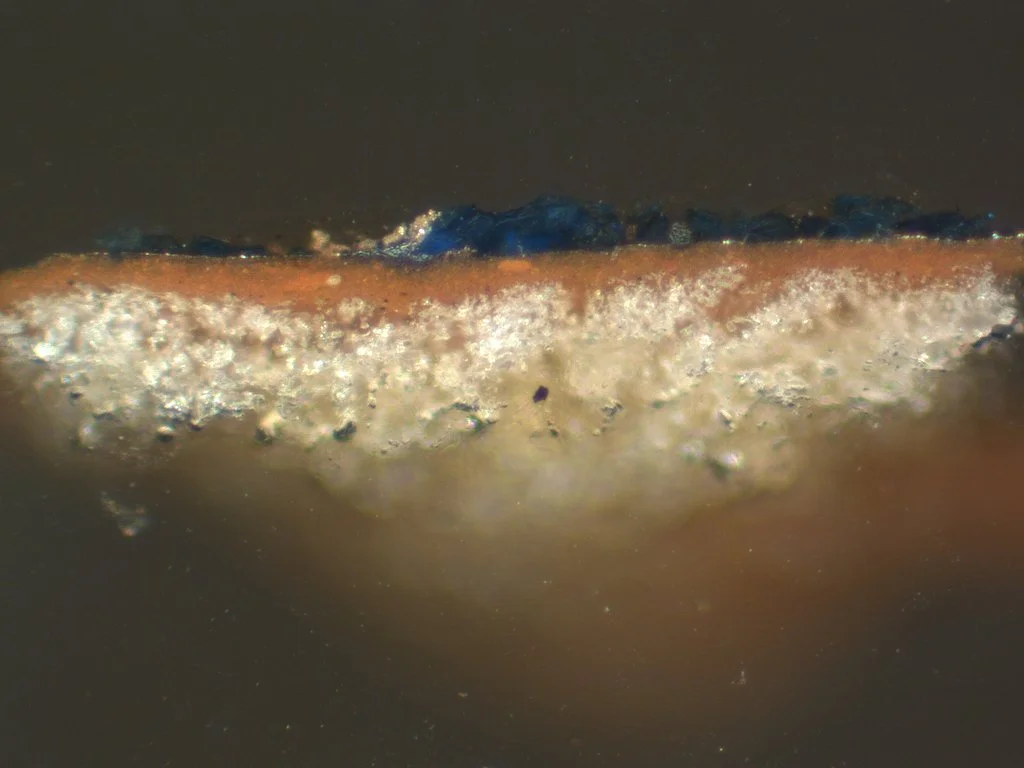
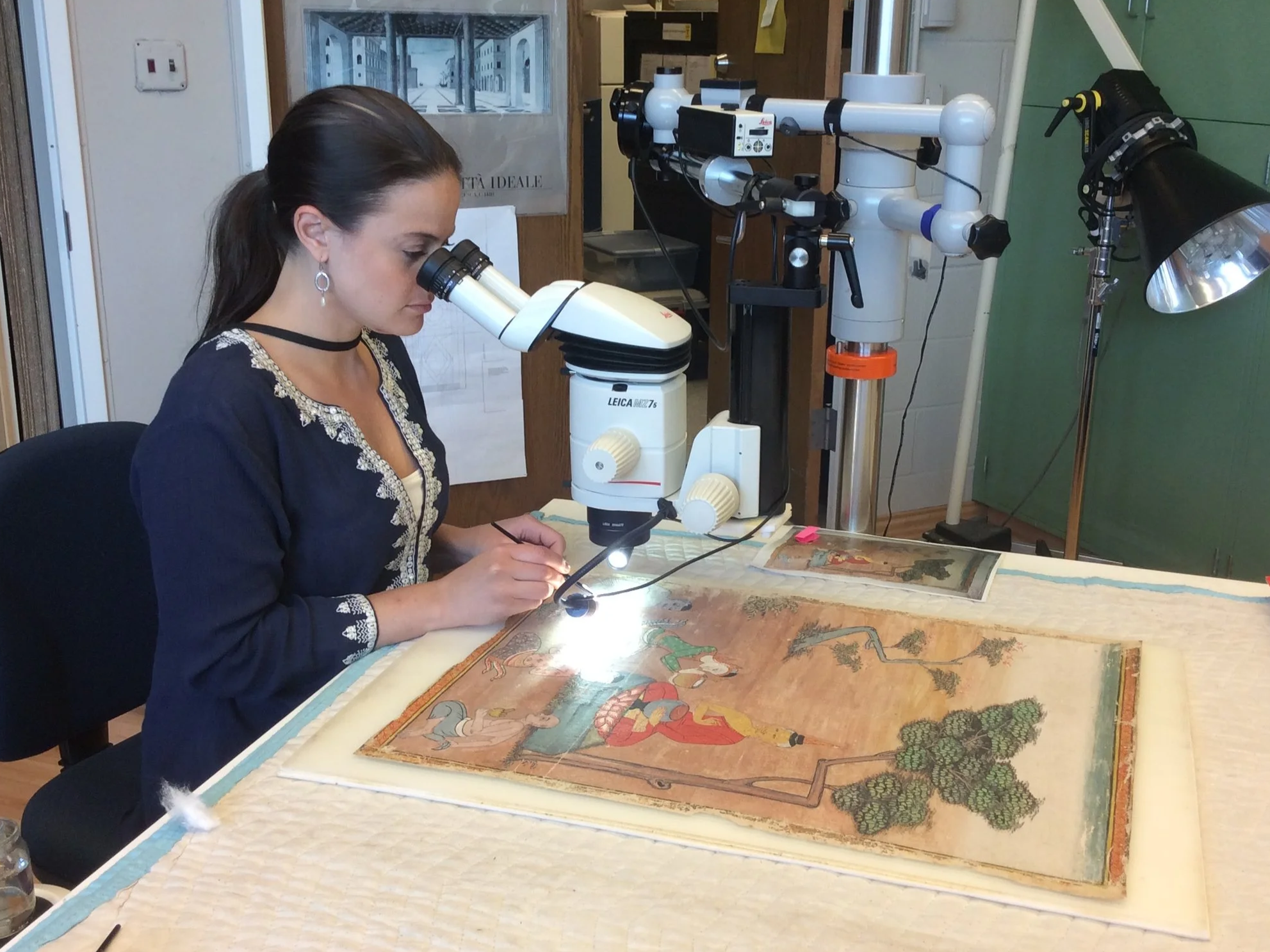
Examination, Documentation & Assessment
Our diagnostic services offer a rigorous analysis of artworks to uncover the full story behind each piece. We systematically examine objects to identify structural vulnerabilities, determine material composition, and trace methods of manufacture. This comprehensive assessment includes detailed condition reporting essential for exhibition planning, insurance, and acquisition. Additionally, we provide strategic recommendations for optimal display environments and housing solutions to prevent further deterioration and ensure safe handling.
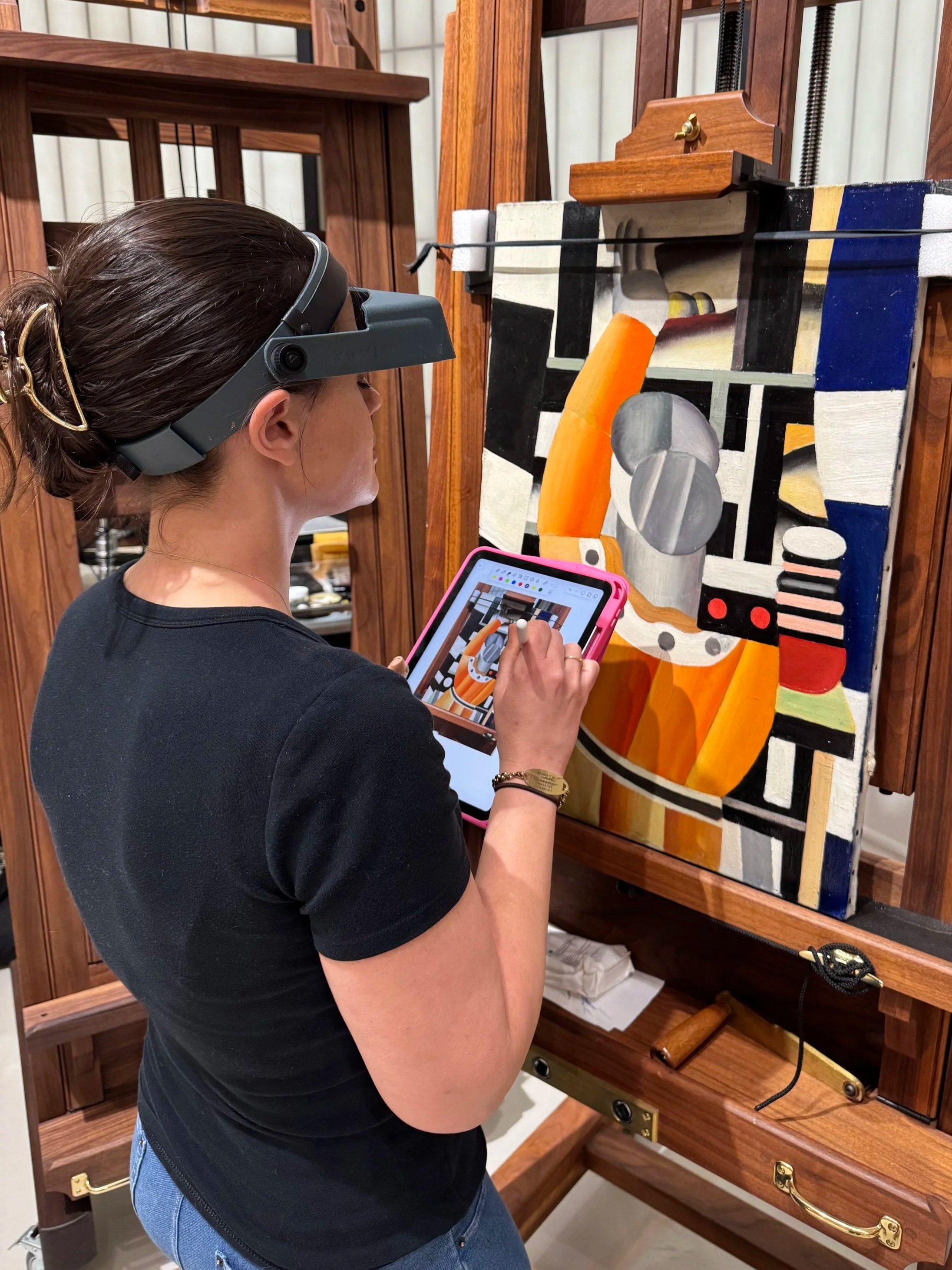
Treatment
Every treatment is uniquely designed around a painting’s specific materials, history, and vulnerabilities. Interventions range from less invasive aesthetic treatments, like surface cleaning and removing yellowed varnishes, to critical structural stabilization like consolidating flaking paint or mending damaged supports. Because no two paintings age identically, conservators use precise chemical testing and analysis to develop a bespoke protocol for each piece. Ultimately, every treatment balances scientific precision with minimal intervention to preserve the painting's structural longevity and visual integrity for the future.
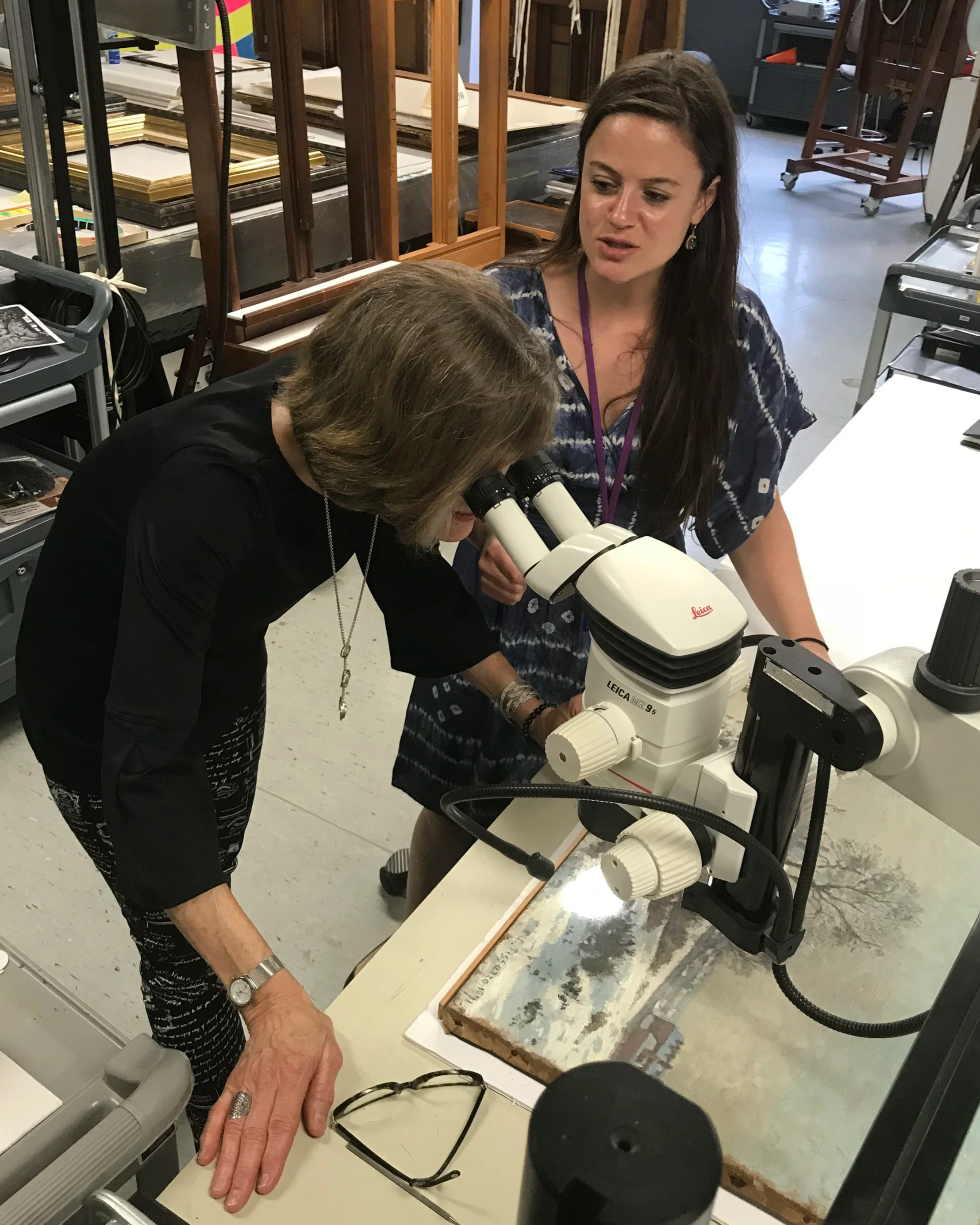
Education & Preservation
Painting conservation is far more than a technical discipline; it is a profound privilege driven by a deep passion for preserving art. Educational outreach and public engagement are at the heart of this practice, making a highly specialized world accessible by translating complex material science into engaging, relatable human stories. Whether lecturing to university students or presenting to the general public, the goal is always to bridge the gap between the conservation lab and the community. By sharing the hidden history and material vulnerability bound up in every artwork, these presentations aim to inspire a shared sense of stewardship and ignite a deeper wonder for the care of cultural heritage.